Tag: safaris in Kenya prices

  • Masai Mara and Lake Nakuru Safari: The Ultimate Solo Adventure

    Masai Mara and Lake Nakuru Safari: The Ultimate Solo Adventure

    Why choose one extraordinary ecosystem when you can experience two? A Masai Mara and Lake Nakuru safari combines Africa’s most dramatic wildlife spectacle with pristine lake scenery, birdwatching paradise, and intimate rhino encounters. For solo travelers, this combo itinerary offers the perfect balance: the thrill of open savannah game drives in the Masai Mara paired with the tranquility and unique wildlife of Lake Nakuru National Park. Over 5–6 days, a Masai Mara and Lake Nakuru safari delivers the complete Kenya experience without redundancy or monotony.

    Why Solo Travelers Choose the Mara-Nakuru Combination

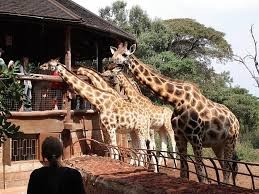
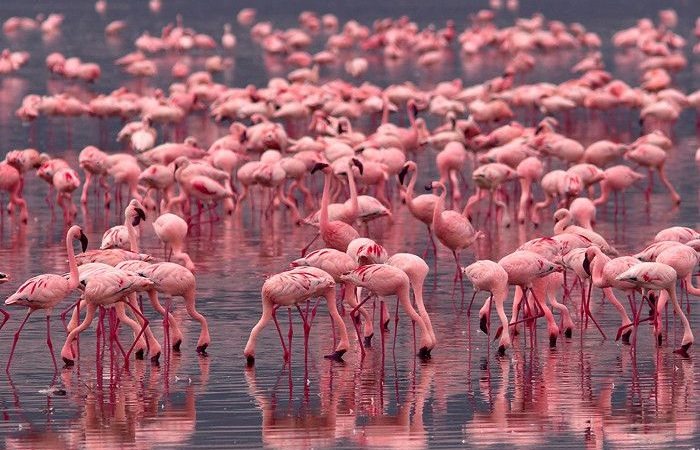
    A Masai Mara and Lake Nakuru safari breaks up your journey geographically and ecologically, preventing safari fatigue while maximising wildlife encounters. The Masai Mara showcases open-savannah predators and the Big Five. Lake Nakuru reveals a contrasting ecosystem: a soda lake fringed with acacia trees, home to thousands of flamingos (when water conditions are right), Rothschild’s giraffes, and Africa’s densest rhino population. Solo travelers specifically praise this combination because shifting locations provides mental freshness—new landscapes, new guide perspectives, new lodge communities if you wish.

    The drive between Masai Mara and Lake Nakuru (approximately 5–6 hours) traverses the Great Rift Valley, offering scenic relief and a chance to explore the Rift’s escarpments and viewpoints.
    Structuring Your Masai Mara and Lake Nakuru Safari Itinerary

    A recommended 5-day Masai Mara and Lake Nakuru safari flows like this:

    Days 1–3: Masai Mara. Arrive in Nairobi, transfer to the Masai Mara (6 hours by road or 45 minutes by flight). Settle into your lodge. Full-day game drives on days 2 and 3 maximise Big Five chances. Early-morning drives (5:00–8:00 AM) and evening drives (4:00–7:00 PM) are most productive.

    Day 4: Rift Valley Scenic Drive to Lake Nakuru. Depart Masai Mara early, drive through the Great Rift Valley (stopping at viewpoints), and arrive at Lake Nakuru by afternoon. Enjoy a sunset game drive around the lake.

    Day 5: Lake Nakuru Game Drive and Departure. Morning game drive focusing on rhinos, giraffes, and birdlife. Afternoon transfer back to Nairobi or onward flights.

    This Masai Mara and Lake Nakuru safari structure balances intensity with contemplation.

    Wildlife Highlights of Masai Mara and Lake Nakuru Safari

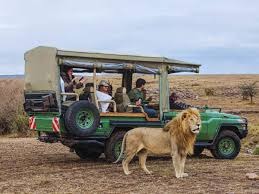
    In the Masai Mara, expect lions, leopards, elephants, buffalo, rhinos, cheetahs, hyenas, and giraffes—the full Big Five Kenya safari roster. The sheer concentration of predators is staggering; sightings daily are typical.

    Lake Nakuru offers a different treasure: over 1.5 million flamingos (though numbers fluctuate seasonally), making the lake appear pink from a distance. Rothschild’s giraffes, which are endangered, thrive here in higher numbers than elsewhere in Kenya. Rhinos are abundant; waterbuck, zebras, warthogs, and over 400 bird species complete the ecosystem.

    A Masai Mara and Lake Nakuru safari gives you ecological diversity impossible in single-location trips.

    Accommodation Options for Your Combination Safari

    The Masai Mara and Lake Nakuru safari route is well-served by lodges at every budget level. In the Masai Mara, choose from luxury camps with gourmet dining and expert naturalists, mid-range lodges offering comfort and value, and budget camps with clean rooms and hearty meals.

    Lake Nakuru accommodations are similarly varied. Flamingo Hill Tented Camp offers mid-luxury comfort overlooking the lake; budget lodges near the park gate provide good value. For solo travelers, mid-range lodges strike the best balance—comfortable private rooms, reasonable rates, and shared dining spaces where you can socialise if desired.

    At Duma Tours, we curate Masai Mara and Lake Nakuru safari packages combining complementary lodges, ensuring seamless transitions and consistent quality.

    Practical Considerations for Solo Travelers

    Solo participants on a Masai Mara and Lake Nakuru safari should know: single supplements (extra fees for solo rooms) apply at most lodges but are modest. Budget an extra $30–50 per night. Many lodges offer communal meals, allowing solo travelers to meet other guests—or take meals privately in your room.

    Transportation between locations is handled by lodge transfers or Duma Tours; no solo navigation is required. Your guide remains the same throughout, building rapport and ensuring consistent experience quality.

    Best Time to Visit for Your Safari Combo

    A Masai Mara and Lake Nakuru safari is excellent year-round, but timing influences what you see. July–October brings the Great Migration to the Mara and stable wildlife viewing. January–February offers excellent predator sightings and moderate crowds. March–May and November–December are shoulder seasons with fewer tourists and lower rates.

    Lake Nakuru’s flamingo populations peak during rainy seasons when water conditions concentrate algae (flamingos’ primary food source). If flamingos are your priority, visit during or just after rains.

    Conclusion

    A Masai Mara and Lake Nakuru safari is the thinking traveler’s choice—combining Africa’s most iconic wildlife with ecological and scenic diversity. Solo explorers benefit from itinerary flexibility, rich wildlife encounters, and the opportunity to pace their adventure according to energy and interest. Let Duma Tours & Travels design your Masai Mara and Lake Nakuru safari, handling every logistics detail so you focus solely on discovery and wonder.

  • 10 Best Ways to Experience Kenya on Safari | Duma Tours

    10 Best Ways to Experience Kenya on Safari | Duma Tours

    Kenya does not ease you in gently. It hits you immediately — the scale of the sky, the red dust roads, the moment a giraffe steps unhurried across the track in front of your vehicle. A Masai Mara Safari is the most famous entry point, and deservedly so. But Kenya has far more than one trick.

    These are the ten experiences that define what makes Kenya genuinely unlike anywhere else on earth.

    1. Watch the Great Migration Cross the Mara River

    There is nothing quite like it. Between July and October, more than a million wildebeest and zebra cross the Mara River from the Tanzanian Serengeti into Kenya. Crocodiles wait. Lions position themselves on the banks. The Masai Mara Safari during migration is as close to raw nature as most people will ever get — and the chaos of a river crossing is something no documentary fully prepares you for.

    2. Take a Hot Air Balloon Over the Mara at Dawn

    The Masai Mara balloon safari takes off before sunrise and drifts over the open plains as the light changes from grey to gold. From that altitude you see the whole ecosystem — herds threading through the grass, kopjes rising from flat ground, the river cutting silver through the valley below. It ends with a champagne breakfast in the bush. Worth every shilling.

    3. Go on a Private Game Drive in a Conservancy

    The national reserve gets the crowds. The community conservancies bordering it do not. A Private Safari Masai Mara experience in one of the Mara conservancies — Olare Motorogi, Naboisho, Ol Kinyei — means fewer vehicles, less noise, and guides who can take you off the marked tracks. You’ll see the same animals. You’ll feel entirely different doing it.

    4. Spend a Morning at Lake Nakuru

    Lake Nakuru Safari is one of the most underrated mornings you can spend in Kenya. The park is compact, fenced, and brilliantly managed. Rhinos graze on open hillsides without any of the distant-telescope searching you’d do elsewhere. The lakeshore, depending on water levels and season, turns pink with flamingos. The Lake Nakuru National Park Safari pairs beautifully with the Mara as a two-stop itinerary — different habitat, different species, entirely different mood.

    5. Watch Elephants in Amboseli with Kilimanjaro Behind Them

    The Amboseli Safari delivers one specific image that Kenya has become famous for: a herd of elephants moving through dust, with Kilimanjaro rising white and enormous in the background. The mountain is in Tanzania, the elephants are in Kenya, and on a clear morning the whole scene looks manufactured. It isn’t. The Amboseli National Park Safari also offers some of the best elephant research access in Africa — the herds here are among the most studied on the continent.

    6. Drive Through Tsavo — Both Sides

    Tsavo West National Park Safari gives you Mzima Springs, lava flows, and thick bush that feels genuinely wild. The famous Tsavo lions — larger, darker-maned than Mara lions, historically difficult to see — still move through here. Tsavo East stretches vast and red and semi-arid, with elephant herds that are measured in the hundreds. A tsavo family safari kenya photography trip through both parks rewards patience and a long lens.

    7. Visit Samburu for Species You Won’t See Further South

    The Samburu Safari introduces the so-called Special Five: reticulated giraffe, Grevy’s zebra, Somali ostrich, gerenuk, and Beisa oryx. None of these live in the Mara. Samburu is drier, more remote, and quieter — the kind of place where elephants drink from the Ewaso Ng’iro River in the afternoon and the whole camp goes quiet to watch.

    8. Start in Nairobi — Don’t Just Pass Through

    The Nairobi National Park Safari is forty minutes from the airport. Buffalo, rhino, lions, and over 400 bird species live inside a fenced reserve with the Nairobi skyline visible on the horizon. It is genuinely strange and genuinely good. It also makes sense as a half-day addition at the start or end of any Kenya safari tour rather than losing the time to hotel rooms and transit.

    9. Combine Safari With the Coast

    A Kenya Safari and Beach combination is one of the most satisfying ways to finish a trip. Diani Beach Kenya Safari packages typically run the game reserves first and end with four or five nights on the south coast — white sand, warm water, nothing to plan. Paje Beach Zanzibar is another option if you want to cross into Tanzania and extend the holiday further.

    10. Travel With a Guide Who Actually Knows the Land

    This last one matters more than any specific destination. The difference between a good Kenya Safari Tour and a great one is almost always the guide. Someone who grew up near the Mara, who knows which kopje the leopard uses, who can read animal behaviour before anything happens — that knowledge is what turns a game drive into something you remember for the rest of your life. Duma Tours & Travels has been building those guides and those itineraries for years. When you’re ready to go, they’ll know exactly where to take you.

  • From Supporting Local Communities to Environmental Preservation: 10 Ways to Mindful Travel

    From Supporting Local Communities to Environmental Preservation: 10 Ways to Mindful Travel

    Kenya rewards the traveller who pays attention. Not just to the lions or the elephant herds crossing at dawn, but to the people, the land, and the systems that keep it all intact. A Big Five Kenya Safari can be one of the most extraordinary experiences of your life — and it can also be a genuinely good thing if you approach it the right way.

    Here are ten ways to make sure your safari leaves more behind than footprints.

    1. Choose a Safari Company That Reinvests Locally

    Not every Kenya safari company puts money back into the communities it passes through. Before you book, ask directly: do guides come from nearby villages? Is accommodation locally owned? Companies like Duma Tours & Travels build itineraries that answer yes to both. The difference is real, and you’ll feel it in the quality of your guides too.

    2. Stay in Community-Owned or Conservation-Run Lodges

    Masai Mara accommodation Kenya ranges from international resort chains to small community conservancies where your stay directly funds anti-poaching patrols and school fees. The conservancies, especially those bordering the Mara, tend to offer quieter, more private game drives as a bonus.

    3. Respect Wildlife Distance — Even When It’s Hard

    On a Private Safari Masai Mara, your guide will know when to stop. Let them. Getting closer for a better photo stresses animals and disrupts behaviour, especially during denning or calving seasons. The best wildlife images come from patience, not proximity.

    4. Buy Crafts Directly From Artisans

    At most parks and town stops, you’ll pass markets and roadside stalls. Buying directly from Maasai beaders or Kikuyu woodcarvers — rather than from hotel gift shops — means the money reaches the person who made the thing. Haggle respectfully, but don’t grind people into the floor over a few hundred shillings.

    5. Reduce Plastic Use Wherever Possible

    Kenya safari holidays generate more single-use plastic than most travellers realise — water bottles, toiletry packaging, bag after bag at markets. Carry a reusable bottle, refuse straws, and support any lodge that has eliminated single-use plastics. Kenya has already banned plastic bags nationwide. Follow the lead.

    6. Learn a Few Words of Swahili

    Jambo. Asante. Karibu. Three words that will earn you genuine warmth from every person you meet. Mindful travel is partly about showing up as a curious person, not just a consumer. Swahili is not difficult to start, and locals notice when a visitor bothers.

    7. Ask Before You Photograph People

    This should be obvious, but it isn’t always practised. Whether you’re visiting a Maasai village near the Masai Mara Safari or a market in Nairobi, ask before pointing a camera at someone’s face. If they say no, accept it gracefully. The best portraits happen when there’s a real exchange happening.

    8. Choose Low-Impact Activities Alongside Game Drives

    A Masai Mara balloon safari at dawn is one of the most breathtaking ways to see the Mara ecosystem from above — and it produces far less ground disturbance than a convoy of vehicles. Walking safaris, where available, also tend to be more ecologically thoughtful. Slow travel usually is.

    9. Support Rhino and Big Cat Conservation Projects

    Lake Nakuru National Park Safari exists, in large part, because Kenya Wildlife Service created a fenced sanctuary to protect black and white rhinos after serious population declines. Some tours include a conservation briefing or a direct contribution to the sanctuary. Take it when it’s offered. These animals are here partly because people paid attention.

    10. Travel Off-Peak When You Can

    East Africa Safari crowds peak during the Great Migration window from July to October, which is also when conservation pressure on the parks is highest. Travelling in the shoulder seasons — November, March, or early April — means smaller crowds, lower safaris in Kenya prices, and often better availability at lodges that genuinely limit vehicle numbers in the park.

    A Big Five Kenya Safari is not a passive experience. It asks something of you. Travel mindfully, spend locally, and the landscape you’re visiting has a better chance of being there for the next person who comes looking.

    Ready to plan a safari that does it right? Duma Tours & Travels builds itineraries around both extraordinary wildlife and responsible travel — get in touch and we’ll put something together for you.

    FAQ

    Q: What’s the most impactful way to support conservation on a Big Five Kenya Safari?

    Staying in community conservancies rather than large commercial lodges directs the most revenue toward anti-poaching, ranger salaries, and local schools. Ask your operator which properties are community-owned or conservation-funded before you book.

    Q: Are Kenya safari holidays ethical for wildlife?

    They can be, when the operator follows responsible viewing guidelines. Private game drives with experienced guides tend to minimise wildlife disturbance compared to large group vehicles that crowd around sightings.

    Q: When is the best time for a Masai Mara safari if I want to avoid heavy crowds?

    November and March offer good game viewing with significantly fewer vehicles in the reserve. The Great Migration peak from July to October draws the largest visitor numbers.