Tag: African Tour Packages

  • PRIVATE SAFARI MASAI MARA FOR INDEPENDENT TRAVELERS

    PRIVATE SAFARI MASAI MARA FOR INDEPENDENT TRAVELERS

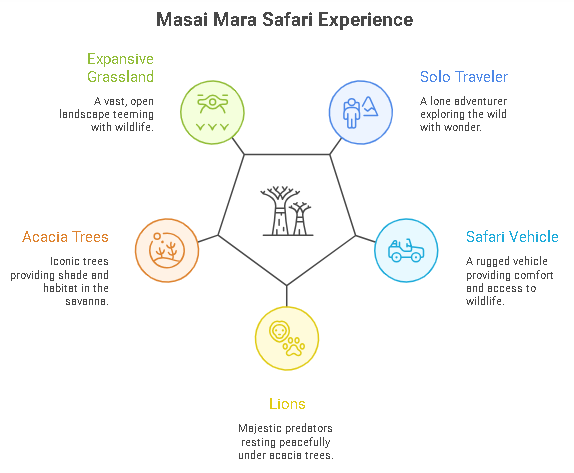
    Solo travel has a particular appeal: you move on your schedule, linger where you want, and pursue the experiences that matter most to you. A private safari in Masai Mara gives you exactly that freedom. You’ll have a dedicated guide who reads what you’re interested in, the flexibility to adjust your itinerary on the fly, and the security of professional support throughout. Whether this is your first African adventure or you’ve traveled extensively, a private safari removes the compromises of group tours. For anyone seeking genuine engagement with wildlife and time for reflection, the Masai Mara is worth the trip.

    Why Solo Travelers Choose Private Safari Experiences

    Large group tours operate on a fixed schedule and cater to everyone’s interests at once. With a private safari, you decide when to wake up—whether that’s 5 AM for photography or 8 AM for a leisurely start. You pick the focus: big cats, birds, landscapes, or simply quiet observation. If a particular moment captures your attention, you can stay as long as you want. Many solo travelers find that this control deepens their connection to the landscape and animals, and the presence of a skilled guide keeps you informed and safe without intruding on the experience.

    At Duma Tours, we work regularly with solo travelers. We understand the differences between group travel and independent exploration, and we design safaris accordingly.

    Crafting Your Perfect Safari Itinerary

    Most visitors spend 3 to 5 days actually in the field, with the first day typically reserved for arrival and settling in. That leaves 2 to 4 full days for game drives. Many solo travelers add unique elements: hot air balloon rides at sunrise, evening walks with Maasai guides, or photography workshops. The beauty of a private safari is that you can include whatever appeals to you.

    Some travelers pair a Masai Mara safari with Lake Nakuru to see different ecosystems and wildlife in one trip. It’s a practical way to see more in less time, though the comparison between the two environments is worthwhile in itself.

    Accommodation Options for Solo Travelers

    Solo travelers have genuine choices across price ranges. Mid-range lodges offer private rooms with reliable internet and the option to eat with others or alone. Luxury camps deliver premium comfort and expert guidance, while budget camps—if well-managed—provide basic comfort without compromising on safety or wildlife viewing. The real difference is atmosphere and services, not safety or access.

    Your accommodation matters for your day-to-day experience. Pick a lodge with responsive staff, since your needs might shift once you’re there.

    Safety Considerations for Independent Adventurers

    It’s reasonable to ask whether solo safari travel is safe. The answer is yes. Unlike backcountry hiking or camping alone, safari tourism is structured. Your guide stays with you the entire time, meals are prepared by staff, and lodges maintain security. Vehicles have communication systems, and guides are trained in first aid and animal behavior.

    Practical steps: brief your lodge on your daily plans, stay hydrated during drives, carry a basic first aid kit, and follow your guide’s direction on wildlife safety. These are sensible precautions, not special measures required only for solo travelers.

    Budget Planning for Your Safari

    A 3-day private safari typically costs $1,200 to $2,500 per person, depending on your accommodation and the season. Lodging runs $120 to $200 per day, guide and vehicle hire $150 to $250 per day, and meals $50 to $100 per day. Add flights and park fees on top of that.

    If costs matter, travel during March through May or November through December. The parks are less crowded, rates drop 20 to 30 percent, and the wildlife viewing is still excellent.

    The Solo Traveler’s Connection to Local Culture

    Your safari becomes richer if you spend time with local communities. Arrange visits to Maasai villages where you can meet craftspeople, learn about pastoralist life, and spend money directly in the local economy. Many travelers find these encounters as meaningful as the wildlife viewing.

    Booking Your Safari with Duma Tours

    Duma Tours & Travels works with solo travelers regularly. Our guides speak English, understand what independent travelers need, and balance wildlife expertise with respectful distance. We arrange the logistics—flights from Nairobi, vehicles, lodges—so you focus on the experience.

    Get in touch for a quote and to discuss what you’re hoping to see and experience. We’ll build an itinerary that fits you.

    Conclusion

    A private safari in Masai Mara offers what solo travel is really about: control over your time and choices, quality guidance without a group, and access to one of the world’s great wildlife areas. If that appeals to you, contact Duma Tours to start planning.

    FAQ Section

    Q: Is a private safari in Masai Mara safe for solo travelers? 

    Yes. A professional guide stays with you at all times, lodges have security, and the tourism infrastructure is solid. Thousands of solo travelers visit without incident each year.

    Q: How much does a private safari cost? 

    A 3-day safari typically runs $1,200 to $2,500 per person. This covers vehicle and guide fees, park entry, and meals at most lodges. Costs vary with your accommodation choice and the season you travel.

    Q: When is the best time to go? 

    July through October brings the Great Migration. January and February offer good big cat sightings. March through May and November through December mean fewer tourists and lower prices. Pick based on what you want to see and your budget.

    Q: Can I add other Kenya destinations to my trip? 

    Absolutely. Many travelers extend to Lake Nakuru, the Rift Valley, or Nairobi. Combining destinations works especially well if you have more than 5 days.

    Q: Do I need visas or vaccinations? 

    Check current requirements on the Kenya Tourism Board website. US, German, and Polish citizens can get visas on arrival or online. Your doctor can advise on yellow fever and malaria prevention based on your medical history.

  • Masai Mara and Lake Nakuru Safari: The Ultimate Solo Adventure

    Masai Mara and Lake Nakuru Safari: The Ultimate Solo Adventure

    Why choose one extraordinary ecosystem when you can experience two? A Masai Mara and Lake Nakuru safari combines Africa’s most dramatic wildlife spectacle with pristine lake scenery, birdwatching paradise, and intimate rhino encounters. For solo travelers, this combo itinerary offers the perfect balance: the thrill of open savannah game drives in the Masai Mara paired with the tranquility and unique wildlife of Lake Nakuru National Park. Over 5–6 days, a Masai Mara and Lake Nakuru safari delivers the complete Kenya experience without redundancy or monotony.

    Why Solo Travelers Choose the Mara-Nakuru Combination

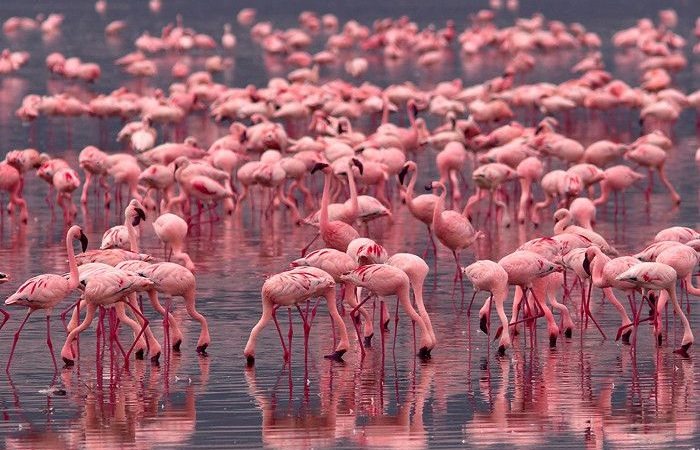
    A Masai Mara and Lake Nakuru safari breaks up your journey geographically and ecologically, preventing safari fatigue while maximising wildlife encounters. The Masai Mara showcases open-savannah predators and the Big Five. Lake Nakuru reveals a contrasting ecosystem: a soda lake fringed with acacia trees, home to thousands of flamingos (when water conditions are right), Rothschild’s giraffes, and Africa’s densest rhino population. Solo travelers specifically praise this combination because shifting locations provides mental freshness—new landscapes, new guide perspectives, new lodge communities if you wish.

    The drive between Masai Mara and Lake Nakuru (approximately 5–6 hours) traverses the Great Rift Valley, offering scenic relief and a chance to explore the Rift’s escarpments and viewpoints.

    Structuring Your Masai Mara and Lake Nakuru Safari Itinerary

    A recommended 5-day Masai Mara and Lake Nakuru safari flows like this:

    Days 1–3: Masai Mara. Arrive in Nairobi, transfer to the Masai Mara (6 hours by road or 45 minutes by flight). Settle into your lodge. Full-day game drives on days 2 and 3 maximise Big Five chances. Early-morning drives (5:00–8:00 AM) and evening drives (4:00–7:00 PM) are most productive.

    Day 4: Rift Valley Scenic Drive to Lake Nakuru. Depart Masai Mara early, drive through the Great Rift Valley (stopping at viewpoints), and arrive at Lake Nakuru by afternoon. Enjoy a sunset game drive around the lake.

    Day 5: Lake Nakuru Game Drive and Departure. Morning game drive focusing on rhinos, giraffes, and birdlife. Afternoon transfer back to Nairobi or onward flights.

    This Masai Mara and Lake Nakuru safari structure balances intensity with contemplation.

    Wildlife Highlights of Masai Mara and Lake Nakuru Safari

    In the Masai Mara, expect lions, leopards, elephants, buffalo, rhinos, cheetahs, hyenas, and giraffes—the full Big Five Kenya safari roster. The sheer concentration of predators is staggering; sightings daily are typical.

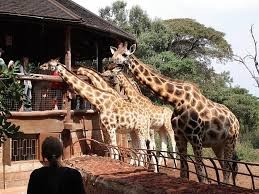
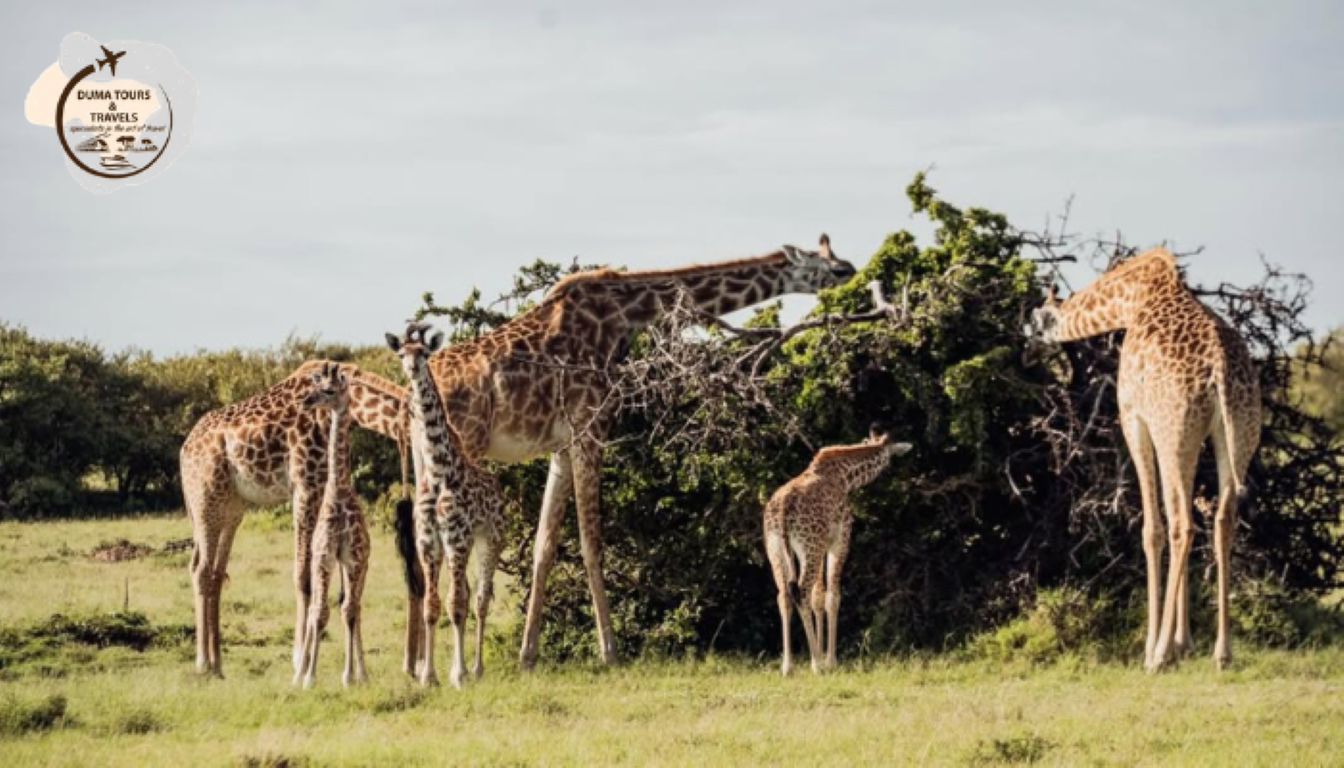
    Lake Nakuru offers a different treasure: over 1.5 million flamingos (though numbers fluctuate seasonally), making the lake appear pink from a distance. Rothschild’s giraffes, which are endangered, thrive here in higher numbers than elsewhere in Kenya. Rhinos are abundant; waterbuck, zebras, warthogs, and over 400 bird species complete the ecosystem.

    A Masai Mara and Lake Nakuru safari gives you ecological diversity impossible in single-location trips.

    Accommodation Options for Your Combination Safari

    The Masai Mara and Lake Nakuru safari route is well-served by lodges at every budget level. In the Masai Mara, choose from luxury camps with gourmet dining and expert naturalists, mid-range lodges offering comfort and value, and budget camps with clean rooms and hearty meals.

    Lake Nakuru accommodations are similarly varied. Flamingo Hill Tented Camp offers mid-luxury comfort overlooking the lake; budget lodges near the park gate provide good value. For solo travelers, mid-range lodges strike the best balance—comfortable private rooms, reasonable rates, and shared dining spaces where you can socialise if desired.

    At Duma Tours, we curate Masai Mara and Lake Nakuru safari packages combining complementary lodges, ensuring seamless transitions and consistent quality.

    Practical Considerations for Solo Travelers

    Solo participants on a Masai Mara and Lake Nakuru safari should know: single supplements (extra fees for solo rooms) apply at most lodges but are modest. Budget an extra $30–50 per night. Many lodges offer communal meals, allowing solo travelers to meet other guests—or take meals privately in your room.

    Transportation between locations is handled by lodge transfers or Duma Tours; no solo navigation is required. Your guide remains the same throughout, building rapport and ensuring consistent experience quality.

    Best Time to Visit for Your Safari Combo

    A Masai Mara and Lake Nakuru safari is excellent year-round, but timing influences what you see. July–October brings the Great Migration to the Mara and stable wildlife viewing. January–February offers excellent predator sightings and moderate crowds. March–May and November–December are shoulder seasons with fewer tourists and lower rates.

    Lake Nakuru’s flamingo populations peak during rainy seasons when water conditions concentrate algae (flamingos’ primary food source). If flamingos are your priority, visit during or just after rains.

    Conclusion

    A Masai Mara and Lake Nakuru safari is the thinking traveler’s choice—combining Africa’s most iconic wildlife with ecological and scenic diversity. Solo explorers benefit from itinerary flexibility, rich wildlife encounters, and the opportunity to pace their adventure according to energy and interest. Let Duma Tours & Travels design your Masai Mara and Lake Nakuru safari, handling every logistics detail so you focus solely on discovery and wonder.

  • BIG FIVE KENYA SAFARI FOR SENIOR TRAVELERS

    BIG FIVE KENYA SAFARI FOR SENIOR TRAVELERS

    Age is no barrier to witnessing Africa’s greatest wildlife. A Big Five Kenya safari is entirely achievable for active seniors and mature travelers seeking a bucket-list adventure without compromise on comfort. Proper planning—from vehicle choice to pacing and accommodation—transforms your Big Five Kenya safari into a manageable, deeply rewarding experience. Thousands of seniors visit Kenya annually to encounter lions, leopards, elephants, rhinos, and buffalo in their natural habitat. This guide shows you how.

    Why Seniors Love the Big Five Kenya Safari Experience?

    The Big Five Kenya safari appeals to mature travelers because it combines wildlife spectacle with intellectual engagement. Unlike action-focused adventures, a safari rewards patience, observation, and curiosity—strengths seniors often possess. You’re not hiking steep terrain; you’re seated comfortably in a safari vehicle while an expert guide narrates the ecosystem’s complexity. The pace is leisurely; game drives typically run 5–6 hours with flexible breaks. Many seniors report that a Big Five Kenya safari delivers more fulfillment than younger travel pursuits because it engages mind and spirit equally.

    Choosing Senior-Friendly Big Five Kenya Safari Lodges

    Comfort directly impacts your safari enjoyment. Select lodges with these features: paved pathways (not rocky terrain), spacious en-suite rooms with hot showers, reliable electricity, on-site medical staff, and accessible dining areas. Mid-range and luxury lodges consistently meet these standards; budget camps occasionally lack amenities crucial for seniors.

    Many Big Five Kenya safari lodges now offer specialised packages for seniors, including flexible game drive schedules, extra rest time, and lighter meal options. Duma Tours partners with senior-friendly lodges across the Masai Mara and beyond, ensuring your accommodation supports your adventure.

    Understanding Vehicle Comfort on Big Five Kenya Safari

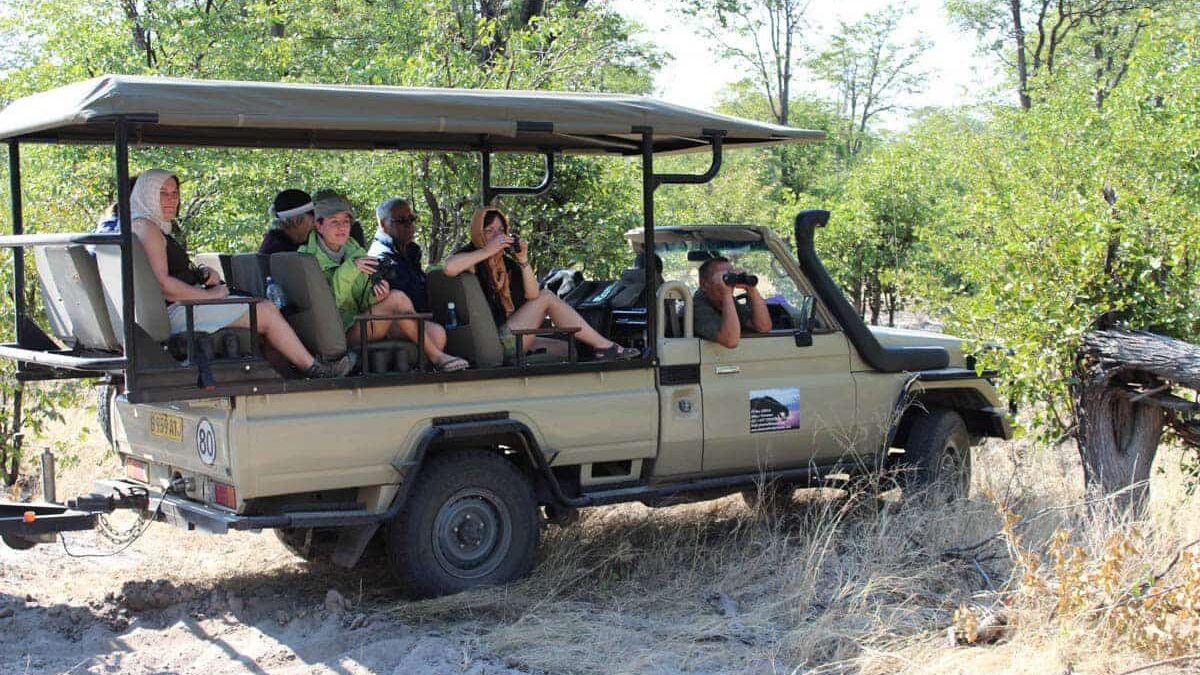
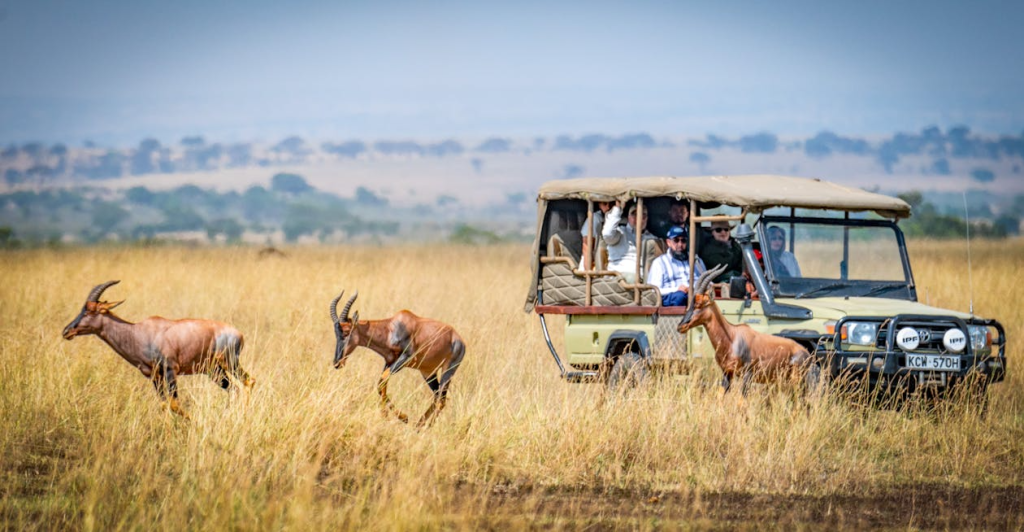
    Your Big Five Kenya safari vehicle makes an enormous difference. Modern 4x4s feature raised seating, allowing you to view wildlife without craning your neck. Vehicles can be air-conditioned (cooling for hot days) or open-sided (premium game viewing). Request a vehicle with good suspension—rough terrain can be uncomfortable over long drives.

    Your guide can adjust speed and route to minimise jolting. Early-morning and late-afternoon game drives, when wildlife is most active, often involve less driving overall, reducing fatigue.

    Managing Physical Demands of the Big Five Kenya Safari

    A Big Five Kenya safari isn’t strenuous, but awareness prevents discomfort. Game drives last 5–6 hours; expect to sit for that duration with brief stops. Packing strategies help: compression socks reduce swelling on long drives; neck pillows provide support; sunscreen and insect repellent protect your skin. Stay hydrated—your lodge provides water; refill regularly.

    Optional activities (walking with guides, village visits) can be skipped if tired. Your guide prioritises your comfort; communicate needs clearly.

    The Big Five: What to Expect on Your Safari

    Seeing all five animals on one safari is possible but not guaranteed—that’s the thrill. Lions are frequently spotted, especially in the Masai Mara. Leopards are elusive; evening game drives offer best chances. Elephants are common and iconic. Rhinos are rare, making sightings unforgettable. Buffalo travel in herds and are consistently visible.

    Your Big Five Kenya safari guide will explain behavior, ecology, and conservation—transforming sightings into educational moments.

    Big Five Kenya Safari

    Timing Your Big Five Kenya Safari for Optimal Comfort

    The best season for a Big Five Kenya safari offering both wildlife and senior comfort is January–February. Temperatures are warm but manageable; animals congregate around water sources, making spotting easier; and tourism density is moderate. Avoid April–June (rainy season) when roads become muddy and driving is rougher.

    Peak season (July–October) brings crowds but also the Great Migration—an extraordinary spectacle. Consider visiting during shoulder seasons for fewer crowds.

    Health Precautions for Big Five Kenya Safari

    Before your Big Five Kenya safari, consult your doctor about malaria prophylaxis and yellow fever vaccination. Kenya’s major tourist areas carry low malaria risk, but medication is often recommended. Ensure prescriptions for routine medications are with you and consider bringing duplicates.

    Travel insurance covering medical evacuation is prudent. Kenya has excellent private hospitals in major cities, and safari lodges maintain communication with emergency services.

    Conclusion

    A Big Five Kenya safari is achievable, comfortable, and profoundly rewarding for seniors and mature travelers. With thoughtful planning—choosing the right lodge, timing your visit well, and pacing yourself—you’ll create memories rivaling any adventure travel experience. Contact Duma Tours & Travels to design your senior-friendly Big Five Kenya safari today. Our specialists understand the unique needs of mature adventurers and craft itineraries that prioritise both wildlife excellence and personal comfort. Your African dream awaits.

  • The Ultimate Masai Mara Safari Guide: Everything You Need to Know

    The Ultimate Masai Mara Safari Guide: Everything You Need to Know

    Why Masai Mara is Africa’s Greatest Safari Destination

    Few places on earth match the raw drama of a Masai Mara safari. Sprawling across 1,500 square kilometres of open savannah in southwest Kenya, the Masai Mara National Reserve offers year-round game viewing that rivals anywhere in Africa. Lions napping under acacia trees, elephants crossing the Mara River, cheetahs stalking gazelles through golden grass — this is the Africa of your imagination made real.

    At Duma Tours & Travels, we have been guiding travellers through the Mara for over a decade. Whether you are planning a private safari Masai Mara experience or a small group adventure, this guide covers everything you need to plan the perfect trip.

    Best Time to Visit

    The Masai Mara is spectacular year-round, but timing your visit right can transform a great safari into a legendary one. July to October is the prime season, when the Great Migration brings over 1.5 million wildebeest thundering across the Mara River — one of the greatest wildlife spectacles on the planet. See our full Great Migration guide to plan around the crossing.

    January and February offer excellent predator sightings as the short rains end and animals congregate around water sources. The so-called “low season” (April–June) means fewer crowds, lower rates, and still superb game viewing.

    What Wildlife Will You See?

    The Masai Mara is home to all of the Big Five Kenya Safari iconic species: lion, leopard, elephant, buffalo, and rhino. The reserve holds one of Africa’s densest concentrations of lions and is regularly rated the best place in Kenya to spot leopards.

    Beyond the Big Five, expect to encounter cheetah, hyena, hippo, crocodile, giraffe, zebra, and over 450 bird species. Early morning and late afternoon game drives deliver the most action — and with an expert Duma Tours guide, you won’t miss a thing.

    Getting There

    Most visitors fly into Nairobi’s Jomo Kenyatta International Airport, then take a 6-hour road transfer or a 45-minute scheduled flight to the Mara airstrips. Duma Tours arranges comfortable 4×4 transfers from Nairobi, stopping at the Great Rift Valley viewpoint en route.

    Recommended Safari Packages

    The most booked options are our 3-day Masai Mara Safari which is best suited for short vacations and second, our combo product for those that want to experience both the Masai Mara as well as Lake Nakuru and the many different ecosystems. If you would enjoy more exclusivity, we offer private safari options in the Masai Mara for those wishing to have a dedicated guide and vehicle as they experience the beauty of the bush alone.

    One of the best experiences you can have would be to go on a hot air balloon safari over the Masai Mara. You will drift silently over the savannah as the sun comes up and the wildlife below is something you will never forget!

    Plan Your Trip with Duma Tours

    As one of the best Kenya safari operators based in Nairobi, Duma Tours builds fully personalised Masai Mara itineraries to suit every budget and timeline. Contact us today for a free, no-obligation safari quote and let us handle every detail.

  • 10 Best Ways to Experience Kenya on Safari | Duma Tours

    10 Best Ways to Experience Kenya on Safari | Duma Tours

    Kenya does not ease you in gently. It hits you immediately — the scale of the sky, the red dust roads, the moment a giraffe steps unhurried across the track in front of your vehicle. A Masai Mara Safari is the most famous entry point, and deservedly so. But Kenya has far more than one trick.

    These are the ten experiences that define what makes Kenya genuinely unlike anywhere else on earth.

    1. Watch the Great Migration Cross the Mara River

    There is nothing quite like it. Between July and October, more than a million wildebeest and zebra cross the Mara River from the Tanzanian Serengeti into Kenya. Crocodiles wait. Lions position themselves on the banks. The Masai Mara Safari during migration is as close to raw nature as most people will ever get — and the chaos of a river crossing is something no documentary fully prepares you for.

    2. Take a Hot Air Balloon Over the Mara at Dawn

    The Masai Mara balloon safari takes off before sunrise and drifts over the open plains as the light changes from grey to gold. From that altitude you see the whole ecosystem — herds threading through the grass, kopjes rising from flat ground, the river cutting silver through the valley below. It ends with a champagne breakfast in the bush. Worth every shilling.

    3. Go on a Private Game Drive in a Conservancy

    The national reserve gets the crowds. The community conservancies bordering it do not. A Private Safari Masai Mara experience in one of the Mara conservancies — Olare Motorogi, Naboisho, Ol Kinyei — means fewer vehicles, less noise, and guides who can take you off the marked tracks. You’ll see the same animals. You’ll feel entirely different doing it.

    4. Spend a Morning at Lake Nakuru

    Lake Nakuru Safari is one of the most underrated mornings you can spend in Kenya. The park is compact, fenced, and brilliantly managed. Rhinos graze on open hillsides without any of the distant-telescope searching you’d do elsewhere. The lakeshore, depending on water levels and season, turns pink with flamingos. The Lake Nakuru National Park Safari pairs beautifully with the Mara as a two-stop itinerary — different habitat, different species, entirely different mood.

    5. Watch Elephants in Amboseli with Kilimanjaro Behind Them

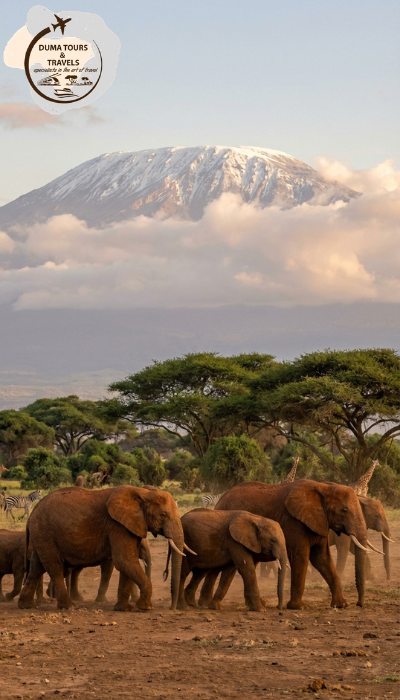
    The Amboseli Safari delivers one specific image that Kenya has become famous for: a herd of elephants moving through dust, with Kilimanjaro rising white and enormous in the background. The mountain is in Tanzania, the elephants are in Kenya, and on a clear morning the whole scene looks manufactured. It isn’t. The Amboseli National Park Safari also offers some of the best elephant research access in Africa — the herds here are among the most studied on the continent.

    6. Drive Through Tsavo — Both Sides

    Tsavo West National Park Safari gives you Mzima Springs, lava flows, and thick bush that feels genuinely wild. The famous Tsavo lions — larger, darker-maned than Mara lions, historically difficult to see — still move through here. Tsavo East stretches vast and red and semi-arid, with elephant herds that are measured in the hundreds. A tsavo family safari kenya photography trip through both parks rewards patience and a long lens.

    7. Visit Samburu for Species You Won’t See Further South

    The Samburu Safari introduces the so-called Special Five: reticulated giraffe, Grevy’s zebra, Somali ostrich, gerenuk, and Beisa oryx. None of these live in the Mara. Samburu is drier, more remote, and quieter — the kind of place where elephants drink from the Ewaso Ng’iro River in the afternoon and the whole camp goes quiet to watch.

    8. Start in Nairobi — Don’t Just Pass Through

    The Nairobi National Park Safari is forty minutes from the airport. Buffalo, rhino, lions, and over 400 bird species live inside a fenced reserve with the Nairobi skyline visible on the horizon. It is genuinely strange and genuinely good. It also makes sense as a half-day addition at the start or end of any Kenya safari tour rather than losing the time to hotel rooms and transit.

    9. Combine Safari With the Coast

    A Kenya Safari and Beach combination is one of the most satisfying ways to finish a trip. Diani Beach Kenya Safari packages typically run the game reserves first and end with four or five nights on the south coast — white sand, warm water, nothing to plan. Paje Beach Zanzibar is another option if you want to cross into Tanzania and extend the holiday further.

    10. Travel With a Guide Who Actually Knows the Land

    This last one matters more than any specific destination. The difference between a good Kenya Safari Tour and a great one is almost always the guide. Someone who grew up near the Mara, who knows which kopje the leopard uses, who can read animal behaviour before anything happens — that knowledge is what turns a game drive into something you remember for the rest of your life. Duma Tours & Travels has been building those guides and those itineraries for years. When you’re ready to go, they’ll know exactly where to take you.

  • From Supporting Local Communities to Environmental Preservation: 10 Ways to Mindful Travel

    From Supporting Local Communities to Environmental Preservation: 10 Ways to Mindful Travel

    Kenya rewards the traveller who pays attention. Not just to the lions or the elephant herds crossing at dawn, but to the people, the land, and the systems that keep it all intact. A Big Five Kenya Safari can be one of the most extraordinary experiences of your life — and it can also be a genuinely good thing if you approach it the right way.

    Here are ten ways to make sure your safari leaves more behind than footprints.

    1. Choose a Safari Company That Reinvests Locally

    Not every Kenya safari company puts money back into the communities it passes through. Before you book, ask directly: do guides come from nearby villages? Is accommodation locally owned? Companies like Duma Tours & Travels build itineraries that answer yes to both. The difference is real, and you’ll feel it in the quality of your guides too.

    2. Stay in Community-Owned or Conservation-Run Lodges

    Masai Mara accommodation Kenya ranges from international resort chains to small community conservancies where your stay directly funds anti-poaching patrols and school fees. The conservancies, especially those bordering the Mara, tend to offer quieter, more private game drives as a bonus.

    3. Respect Wildlife Distance — Even When It’s Hard

    On a Private Safari Masai Mara, your guide will know when to stop. Let them. Getting closer for a better photo stresses animals and disrupts behaviour, especially during denning or calving seasons. The best wildlife images come from patience, not proximity.

    4. Buy Crafts Directly From Artisans

    At most parks and town stops, you’ll pass markets and roadside stalls. Buying directly from Maasai beaders or Kikuyu woodcarvers — rather than from hotel gift shops — means the money reaches the person who made the thing. Haggle respectfully, but don’t grind people into the floor over a few hundred shillings.

    5. Reduce Plastic Use Wherever Possible

    Kenya safari holidays generate more single-use plastic than most travellers realise — water bottles, toiletry packaging, bag after bag at markets. Carry a reusable bottle, refuse straws, and support any lodge that has eliminated single-use plastics. Kenya has already banned plastic bags nationwide. Follow the lead.

    6. Learn a Few Words of Swahili

    Jambo. Asante. Karibu. Three words that will earn you genuine warmth from every person you meet. Mindful travel is partly about showing up as a curious person, not just a consumer. Swahili is not difficult to start, and locals notice when a visitor bothers.

    7. Ask Before You Photograph People

    This should be obvious, but it isn’t always practised. Whether you’re visiting a Maasai village near the Masai Mara Safari or a market in Nairobi, ask before pointing a camera at someone’s face. If they say no, accept it gracefully. The best portraits happen when there’s a real exchange happening.

    8. Choose Low-Impact Activities Alongside Game Drives

    A Masai Mara balloon safari at dawn is one of the most breathtaking ways to see the Mara ecosystem from above — and it produces far less ground disturbance than a convoy of vehicles. Walking safaris, where available, also tend to be more ecologically thoughtful. Slow travel usually is.

    9. Support Rhino and Big Cat Conservation Projects

    Lake Nakuru National Park Safari exists, in large part, because Kenya Wildlife Service created a fenced sanctuary to protect black and white rhinos after serious population declines. Some tours include a conservation briefing or a direct contribution to the sanctuary. Take it when it’s offered. These animals are here partly because people paid attention.

    10. Travel Off-Peak When You Can

    East Africa Safari crowds peak during the Great Migration window from July to October, which is also when conservation pressure on the parks is highest. Travelling in the shoulder seasons — November, March, or early April — means smaller crowds, lower safaris in Kenya prices, and often better availability at lodges that genuinely limit vehicle numbers in the park.

    A Big Five Kenya Safari is not a passive experience. It asks something of you. Travel mindfully, spend locally, and the landscape you’re visiting has a better chance of being there for the next person who comes looking.

    Ready to plan a safari that does it right? Duma Tours & Travels builds itineraries around both extraordinary wildlife and responsible travel — get in touch and we’ll put something together for you.

    FAQ

    Q: What’s the most impactful way to support conservation on a Big Five Kenya Safari?

    Staying in community conservancies rather than large commercial lodges directs the most revenue toward anti-poaching, ranger salaries, and local schools. Ask your operator which properties are community-owned or conservation-funded before you book.

    Q: Are Kenya safari holidays ethical for wildlife?

    They can be, when the operator follows responsible viewing guidelines. Private game drives with experienced guides tend to minimise wildlife disturbance compared to large group vehicles that crowd around sightings.

    Q: When is the best time for a Masai Mara safari if I want to avoid heavy crowds?

    November and March offer good game viewing with significantly fewer vehicles in the reserve. The Great Migration peak from July to October draws the largest visitor numbers.

  • A Big 5 Safari in Kenya: Where to See Them and What to Expect

    A Big 5 Safari in Kenya: Where to See Them and What to Expect

    Having been a favourite among tourists for many years, many visitors to Kenya want to have a unique experience while visiting. Watching a lion survey the golden savannah as dusk settles is one of the most thrilling experiences, while watching a herd of elephants crossing the acacia woodland silently at dawn is equally as thrilling. A Big Five Tanzania safari is also a fantastic way to experience wildlife or luxury travel. Kenya also ranks as one of the best locations in the world to observe the “Big 5” animals in their natural habitats.

    What Are the Big Five?

    Initially created by trophy hunters to identify game that was most difficult to find on foot, the expression “Big 5” now signifies an entire checklist for tourists visiting Africa each year. Though seeing these five animals in their natural habitats is reason alone to go on a guided safari with Duma Tours & Travels, they are rewarding just to have experienced their sites, sounds and how they live.

    The Masai Mara: Kenya’s Crown Jewel

    No Grand Five Kenyan safari experience is complete without including time in the Maasai Mara National Park. The Maasai Mara is located in southwest Kenya and borders the Serengeti on the Tanzania side. The Maasai Mara is also one of the best-known and most perfect game parks in Africa because of its open grass plains and wooded banks along the rivers that allow for the greatest game viewing throughout the year, including some of the best lion and elephant sightings in the world.

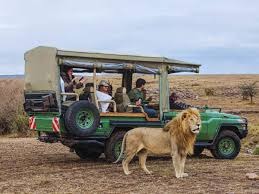
    If you chose to have a Private Safari Masai Mara experience, you would enjoy an intimate experience away from the crowds, rather than driving in tandem with a convoy of tourist vehicles. With your own private guide, you will be taken off the beaten path — to the tree where the leopard is climbing; to the water hole where the buffaloes are drinking, and to a secluded area in the bushes where the cheetah mother is hunting with her cubs. The experience is private, personal and very much involved.

    The Great Migration is another element that can add to the total adventure during your time in the Maasai Mara, as more than 1 million wildebeests and zebras cross the Mara River from July to October. Planning your trip to the Mara during the Great Migration will provide you with the opportunity to have an active predator presence in the Maasai Mara and be able to see the Grand 5 together as they hunt for prey.

    Lake Nakuru: Where Rhino and Flamingo Share the Stage

    For travellers hoping to see a rhino, then a safari combining both the Masai Mara and Lake Nakuru is the best choice. Located in the Great Rift Valley of Kenya, Lake Nakuru National Park has become a very important sanctuary for black and white rhinoceroses in Kenya. The park has been fenced for protection and is actively managed by the Kenya Wildlife Service, making excellent opportunities for viewing rhino which are often not available in the open savanna habitats.

    In addition to rhinos, Lake Nakuru National Park is also home to large populations of lions, leopards, buffalo, giraffes and, of course, countless flamingos to further add pink to the lakescape. The compact size of the park results in highly productive game drives, with many different species of Big Five occurring together during a single morning of game drive.

    What to Expect on Your Kenya Safari

    If you want comfort on a Kenya safari and the thrill of the adventure, then a perfect safari will combine all those elements. At Duma Tours & Travels, we have organized every aspect of your trip from selecting quality tented and lodge accommodations to providing top-notch naturalist guides and offering morning game drives when the animals are most active. In addition to this, you can also have a chance to enjoy breakfast in the bush and watch as you enjoy an evening drink at your accommodation while witnessing the brilliance of an African sun change from amber to red. 

    No matter if you want a romantic getaway with your partner, want to introduce children to nature, or you have a group of friends who are looking for something out of the ordinary, Kenya has it all and offers something for everyone. The beautiful combination of your private Masai Mara safari itinerary plus Lake Nakuru is a great way to experience the tremendous wildlife and amazing reserves of Kenya.

    Begin Your Big Five Journey with Duma Tours & Travels

    At Duma Tours & Travels, we believe the best safaris are those created by you. Our talented team will build a tailored itinerary for you that includes the best game-viewing locations, accommodation, and exclusive experiences. Are you ready to see the Big Five in one of Africa’s most breathtaking landscapes? Let us get started!

  • Affordable African Safari Tours: How to Plan a Budget Safari in Kenya

    Affordable African Safari Tours: How to Plan a Budget Safari in Kenya

    Dreaming of an African safari but worried about the cost? The good news is that African safari tours do not have to be expensive. With the right planning, timing, and local expertise, you can experience Kenya’s breathtaking landscapes and incredible wildlife without overspending.

    From witnessing the famous Great Migration in the spectacular Masai Mara National Reserve to watching large elephant herds roam beneath Mount Kilimanjaro in Amboseli National Park, there are many ways to enjoy an unforgettable safari while staying within your budget.

    If you are planning your first adventure into the wild, here are practical tips to help you plan affordable African safari tours while still enjoying a world-class wildlife experience.

    1. Travel During the Shoulder Season

    One of the best ways to save money on an African safari is choosing the right time to travel.

    Safari prices often increase during peak tourist months when demand is highest. Accommodation, park fees, and safari vehicles can cost significantly more during these periods.

    Instead, consider traveling during the shoulder seasons, which are the months just before or after peak season.

    Benefits include:

    • Lower accommodation prices
    • Fewer crowds in the parks
    • More personalized wildlife viewing experiences
    • Better safari deals from tour operators

    Many travelers believe peak season is the only time to see wildlife, but Kenya’s national parks offer excellent wildlife viewing throughout the year.

    2. Choose Budget-Friendly Safari Destinations

    Not all safari destinations have the same price range. Some parks are more accessible and offer excellent wildlife sightings at a lower cost.

    For example:

    Masai Mara Safari

    The world-famous Masai Mara National Reserve is one of Africa’s top safari destinations. It offers:

    • Incredible Big Five sightings
    • The Great Migration spectacle
    • A wide range of accommodation options from luxury lodges to budget camps

    Because there are many lodges and camps available, travelers can find safari packages that suit different budgets.

    Amboseli Safari

    Another fantastic destination is Amboseli National Park, known for:

    • Large elephant herds
    • Stunning views of Mount Kilimanjaro
    • Excellent wildlife photography opportunities

    Choosing the right parks can make a huge difference in overall safari costs while still delivering unforgettable wildlife encounters.

    3. Join Group Safaris or Shared Packages

    One of the smartest ways to reduce safari expenses is by joining a group safari.

    Group safaris allow travelers to share:

    • Safari vehicles
    • Professional guides
    • Fuel costs
    • Accommodation packages

    This significantly reduces the cost compared to a private safari.

    Group safaris also create a social travel experience, allowing you to meet other adventure travelers from around the world while exploring Africa’s wildlife.

    Many tour operators offer group African safari packages that include:

    • Accommodation
    • Park entrance fees
    • Game drives
    • Meals
    • Transportation

    These bundled packages are often more affordable than booking each service separately.

    4. Compare African Safari Deals

    When planning a safari, it is always wise to compare safari packages from different operators.

    Look for packages that include extra experiences such as:

    • Cultural village visits
    • Guided nature walks
    • Birdwatching safaris
    • Photography-friendly game drives

    Some safari deals may appear more expensive initially but actually provide greater overall value because they include additional activities.

    Travelers can also save money by:

    • Booking early to secure lower rates
    • Taking advantage of last-minute safari deals
    • Traveling with flexible dates

    Tour companies often offer discounted rates to fill remaining safari seats, which can create excellent opportunities for budget travelers.

    5. Add Special Experiences Carefully

    Some travelers wish to extend their safari adventure with unique wildlife experiences such as a gorilla trekking safari in Rwanda or Uganda.

    While these experiences are incredible, permits can be expensive.

    However, travelers can reduce overall costs by:

    • Planning the trip well in advance
    • Combining gorilla trekking with a Kenya or Tanzania safari
    • Booking multi-destination East African safari packages

    With careful planning, you can still enjoy these once-in-a-lifetime wildlife encounters without exceeding your travel budget.

    6. Plan Your Safari with Local Experts

    Working with a local safari operator can help you maximize your budget while still enjoying an exceptional safari experience.

    Local experts understand:

    • Wildlife migration patterns
    • Seasonal park conditions
    • Affordable yet comfortable lodges
    • The best game viewing locations

    They can design an itinerary that balances cost, comfort, and unforgettable wildlife experiences.

    By planning your safari with Duma Tours & Travels, you benefit from experienced safari specialists who know how to create memorable adventures across East Africa. Their knowledge of wildlife calendars, travel logistics, and safari planning ensures travelers enjoy authentic and well-organized safari experiences.

    Conclusion

    Planning affordable African safari tours is all about making smart choices — choosing the right time to travel, selecting budget-friendly destinations, comparing safari deals, and sharing travel costs through group tours.

    A safari in Africa does not have to be extravagant to be extraordinary.

    With proper planning and guidance from experienced local experts, you can explore Africa’s breathtaking wilderness, witness incredible wildlife, and create unforgettable memories — all while staying within your budget.

    Ready to start planning your African safari adventure?

    Visit Duma Tours & Travels today and let our safari specialists help you design the perfect wildlife experience across East Africa.

  • Finding the Big Five: Africa’s Most Sought-After Animals on African Safari Tours

    Finding the Big Five: Africa’s Most Sought-After Animals on African Safari Tours

    Witnessing wildlife in their natural surroundings is truly an incredible experience. For many tourists travelling to Kenya, the dream of seeing the iconic Big Five (lion, leopard, elephant, rhino and buffalo) becomes a once-in-a-lifetime experience. This is one of the reasons why Africa safari tours are one of the most popular travel experiences in the world. From the beauty of large golden savannahs to incredible landscapes filled with animals, Kenya has so much to offer for those who would like to see the heart of Africa. No matter if this is your first trip to Kenya or your second trip, seeing these majestic animals up close will be a memorable experience and provide you with lasting memories. By planning a great African safari tours experience, people will get to see the most famous locations while also having an opportunity to learn about wildlife conservation, local culture and the natural beauty of the region.

    The Big Five: Africa’s Most Iconic Wildlife

    Originally, the term “Big Five” designated the five most difficult animals to hunt on foot. Today, the phrase has taken on a completely different meaning and represents the ultimate checklist of animals highly sought out by travellers in order to be seen while on safari tours in Africa. Seeing the Big Five in their natural habitat while on safari tours through Africa is truly an experience that will take your breath away.

    Lions are frequently spotted on the African savannah, typically either lying down under a large acacia tree or hunting in groups called prides. Lions are often viewed as regal representations of the power of the wild. While leopards are also viewed as beautiful, they are much more elusive than lions; they have a unique way of moving throughout the wilderness without making any noise.

    Of all the animals in Africa, elephants are the largest, gentlest, and most intelligent. Elephants are distinguished by their family-oriented instincts; they create strong family bonds and are capable of showing emotion.

    Rhinos are also incredibly rare to see but have the potential to be very special sighting opportunities that provide people with unforgettable experiences. Finally, buffaloes complete the Big Five category of animals viewed on safaris by travelling in large herds and representing a true example of the raw power of African wildlife.

    The Magic of Masai Mara Safari

    A prominent spot to observe the Big Five is the well-known Masai Mara National Reserve, which features a rich variety of wildlife and beautiful scenery, making it a must-see on numerous African Safari Tours.

    A Masai Mara Safari provides visitors with plentiful animal interactions. Animals like wildebeest and zeebras migrate together in herds while being followed by predators such as lions and cheetas as they travel across the plains during the Great Migration season. The abundant wildlife and dramatic westward landscape has made the Masai Mara one of Africa’s most exciting safari locations.

    Amboseli Safari: Wildlife with a View

    A second attraction is available at Amboseli National Park. Known for its large elephant populations and stunning views of Mount Kilimanjaro, Amboseli provides many savannah animals walking around dusty plains with the iconic visually striking peak as a backdrop.

    During African Safari Tours, visitors will often enjoy morning game drives in Amboseli when there are large concentrations of wildlife activity. This area is a home to lions, cheetahs, giraffes, and a host of bird types, providing wildlife photographers and enthusiasts with many opportunities for photography.

    Beyond the Big Five: Gorilla Safaris

    Gorilla trekking is an exciting addition to an African Safari Tours itinerary for travel lovers who want to do something less typical. In Rwanda, visitors can find the famous Mountain Gorillas in the lush forests.

    A Gorilla Safari is a way for travellers to hike through misty forests to see these amazing and gentle animals in their natural environment. Seeing a family of gorillas interact with one another in the wild is a remarkable and emotional experience, which can be enjoyed with a traditional African Safari adventure.

    Choosing the Right Safari Experience

    Kenya has a wide variety of African Tour Packages that are designed to fit within each traveler’s own budget and style. For example there are many types of accommodations from luxury lodges to nature camps, as well as, many iconic parks such as the Masai Mara and Amboseli where you will find incredible wildlife.

    When planning an African Safari itinerary, it is important to include experiences that provide you with amazing wildlife viewing and access to local culture and incredible scenery. Travellers can check off either or both of the Big Five Animals and will create an unforgettable memory by taking an African Safari.

    Conclusion

    African Safari Tours present an incredible chance for nature lovers and adventure enthusiasts alike to explore the splendor of the wild, from the expansive grasslands of the Masai Mara and the elephant-dotted landscapes of Amboseli to the rain forests of Rwanda; each safari has its own unique story.

    As travelers prepare for their journeys, they often seek out trusted sources and local knowledge for guidance and assistance. This is where brands such as Duma Tours & Travels come in. Through their extensive knowledge of the landscapes, animals, and travel experiences that Kenya has to offer, Duma provides a way for individuals to confidently and intelligently experience Africa. By working with a professional safari operator, travelers will be able to encounter African wildlife in an authentic manner, travel responsibly, and have the opportunity to experience close-ups with Africa’s most amazing animals in ways they will never forget!